In the St. Leonhard district of Nuremberg, a residential building with 50 identical apartments for seniors was constructed between 2019 and 2024. Designed by the Munich-based architecture firm dreisterneplus, the building features staggered floor plans that open onto a diverse architectural environment, lending the compact two-room apartments a surprising sense of spaciousness.
The book VIPERSGAZI reveals the diverse ways in which residents appropriate these apartments. The same spatial qualities provide a framework for a wide range of habits and life stories.
With the text “Kekse and Kaaba” and a portrait series in the ten apartments that i could visit, i had the chance to implement an unusual social narrative into the comprehensive architectural documentation.
published by ParkBooks, Zürich 2026


I had the pleasure to follow Simon Starling on one of his famous conceptual trips.
One Ton III takes as its starting point an image of the Morteratsch glacier made in 1879 by the Swiss photographer and mountaineer Jules Beck. Now housed at the Swiss Alpine Museum, this image of the celebrated but fast-disappearing glacier, has been progressively retouched and then printed in a series of five unique platinum palladium prints which, step by step, return the image to its original, dirt and dust free, pristine state.
Jules Beck’s image of the glacier has been returned to the Upper Engadine following a four-day long, low-carbon journey of 318 km from its contemporary source – the archive in Bern. On arrival at its destination, the trailer of a purpose-built, hybrid, transport/display system – developed specifically for the nationwide exhibition Watch the Glacier Disappear – has been up-ended and extended, creating a space to exhibit the five contemporary reprints of the 19th century original.
One of a series of works made by the artist in the past 20 years that relate traditional forms of photographic image making to their raw materials, One Ton III utilises a quantity of platinum group metals. Conflating the photographic with the sculptural, the 3 grams of platinum and palladium used in the realisation of the five prints of Jules Beck’s Morteratsch image necessitated the extraction of one ton of ore from a platinum mine.
art for glaciers-link


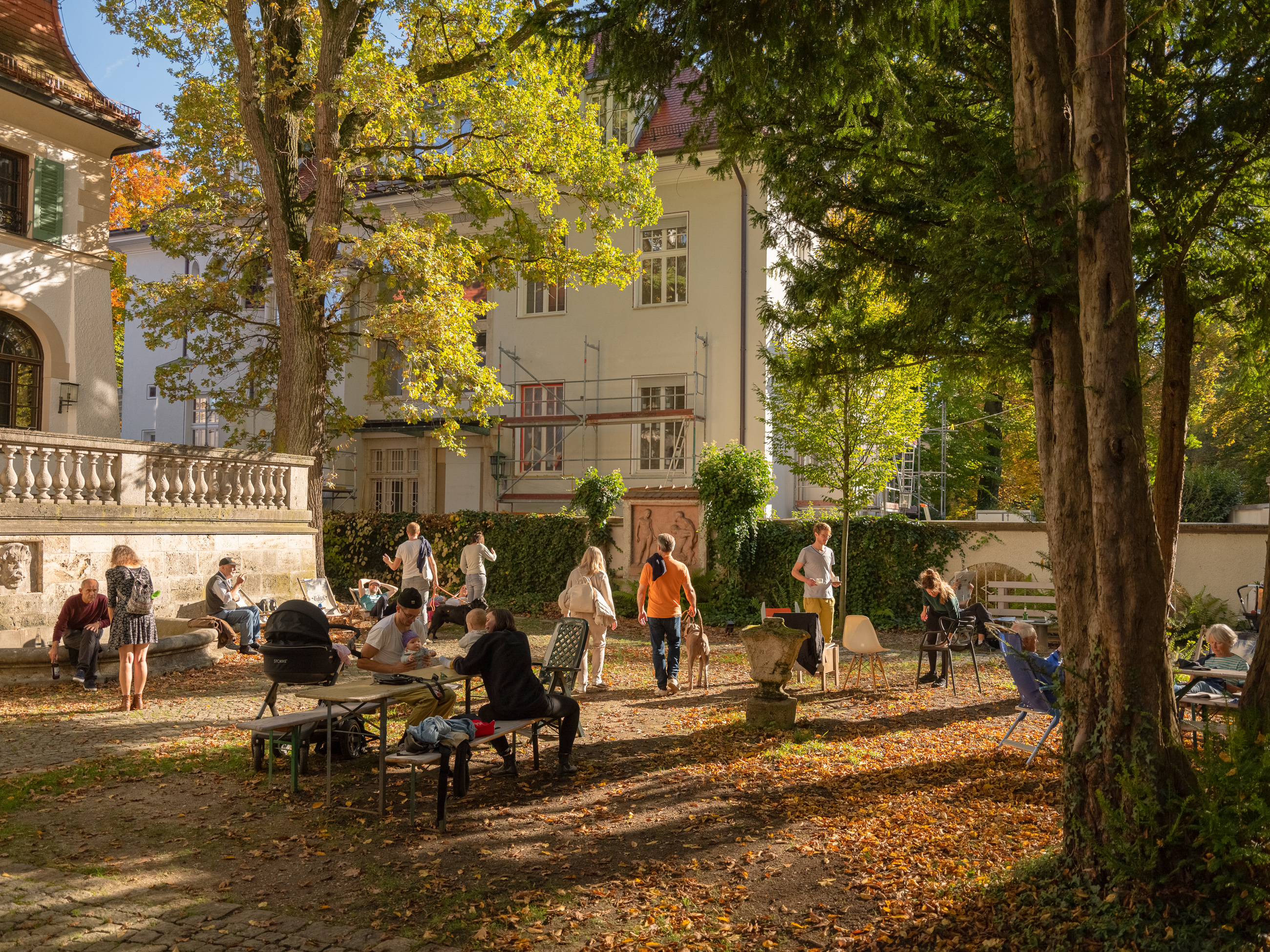
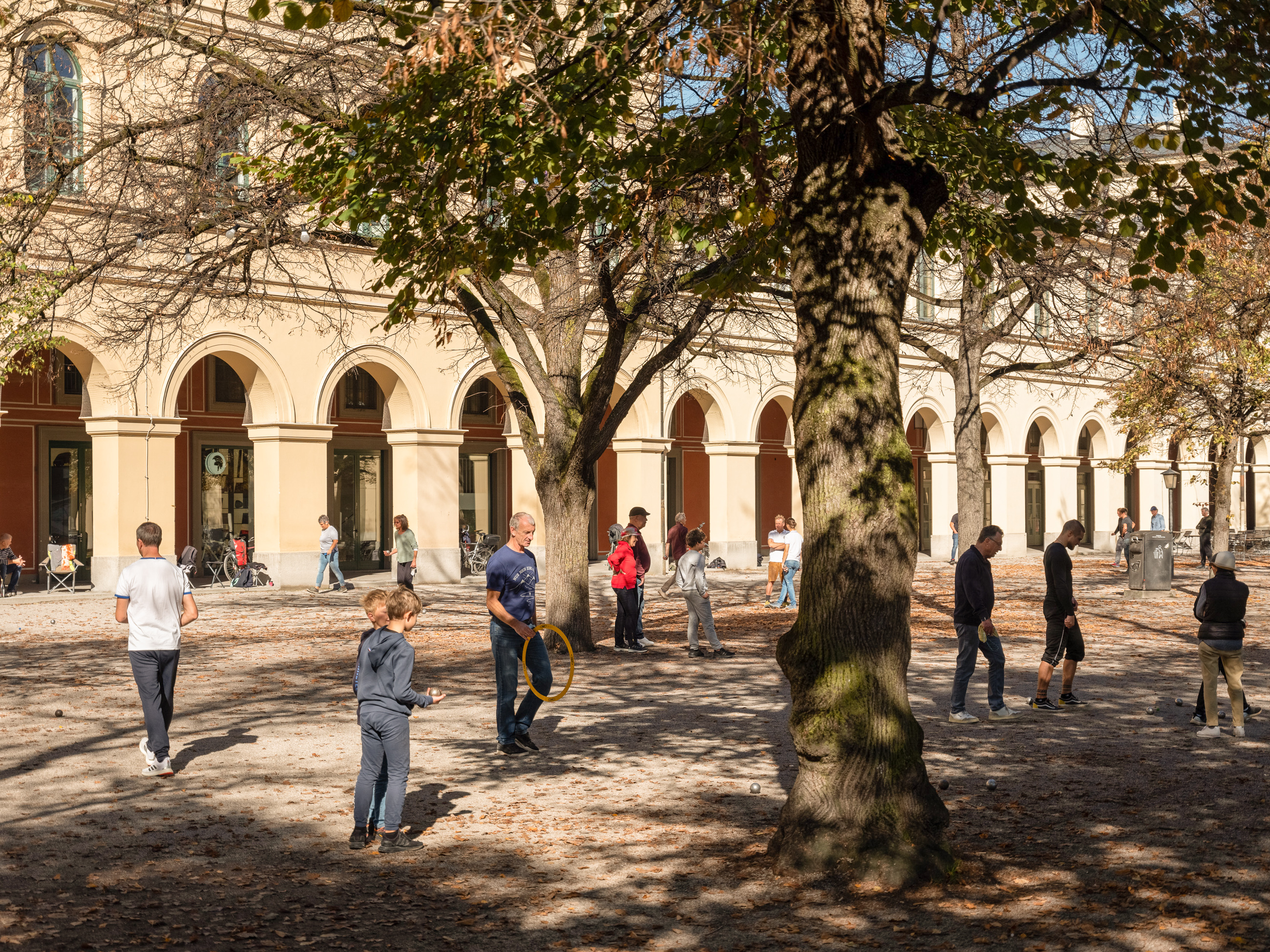
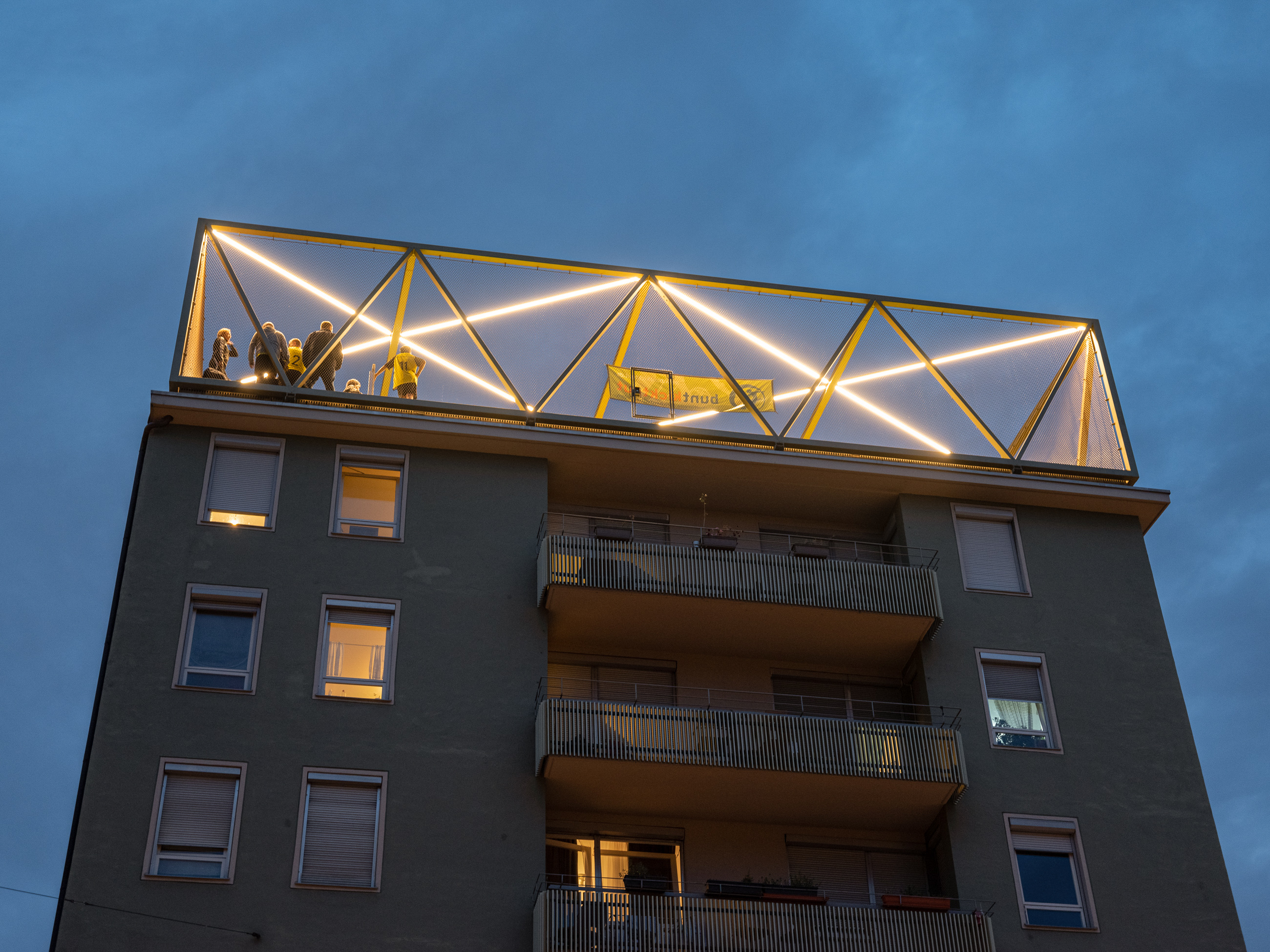
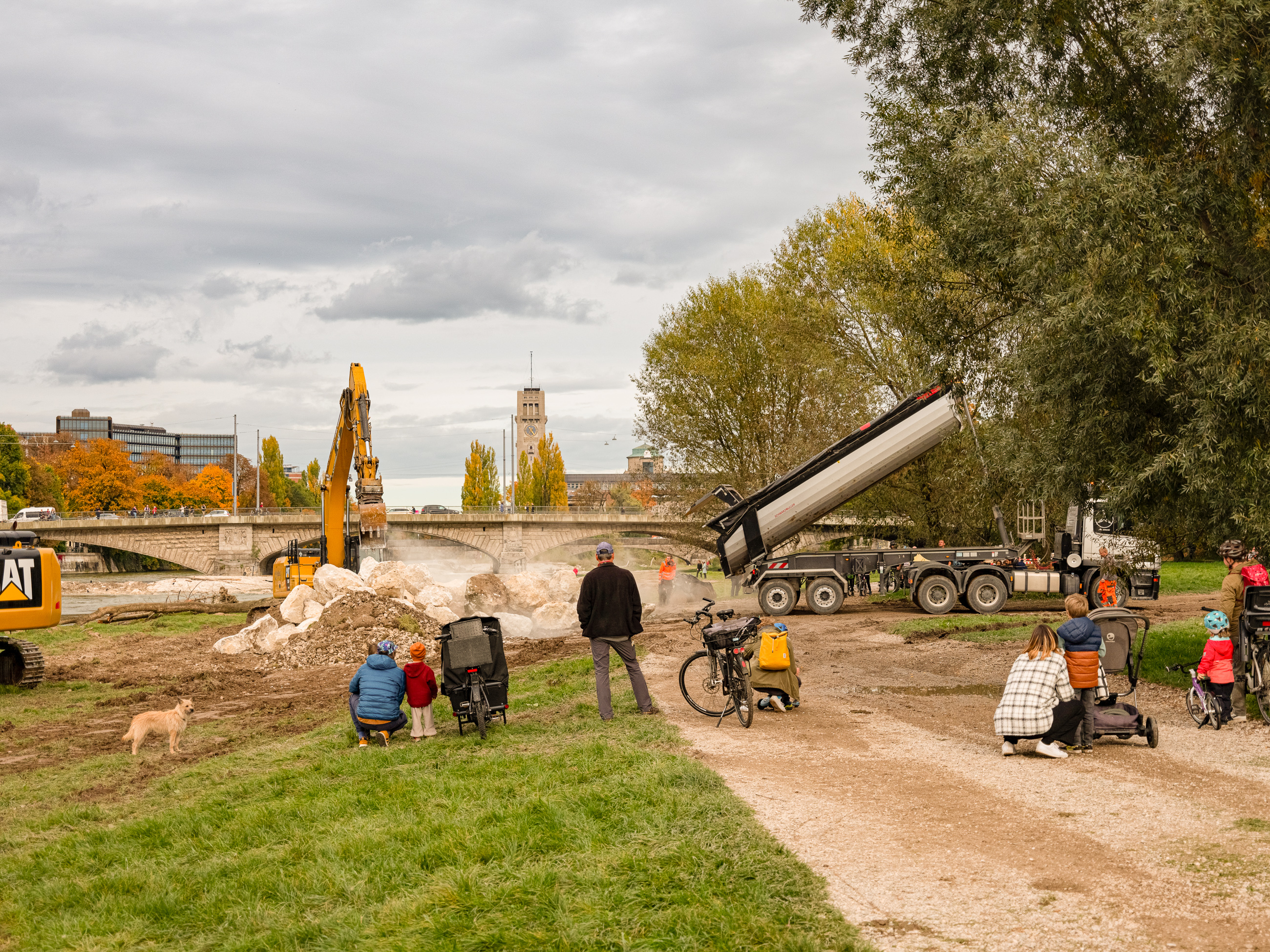
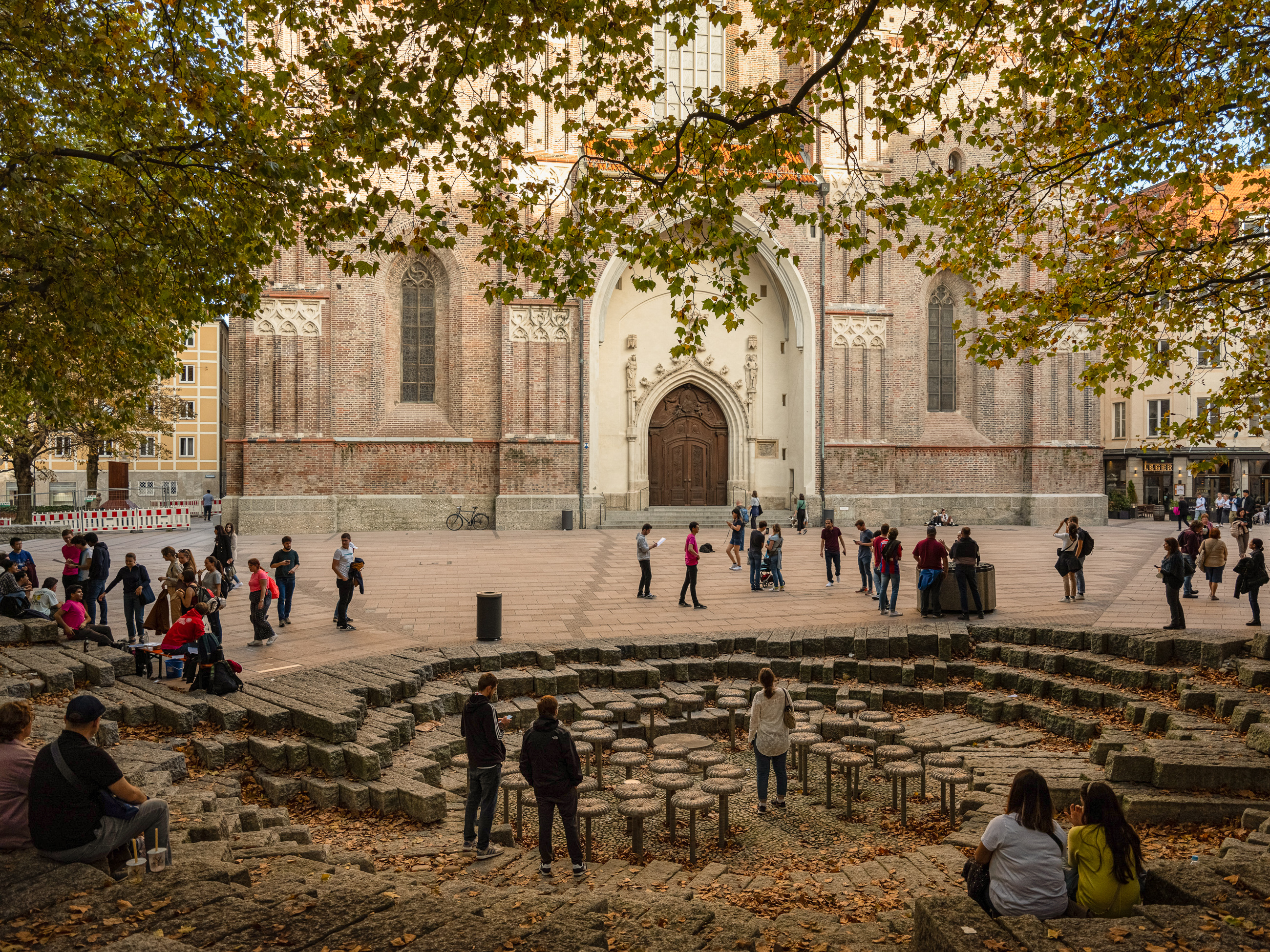
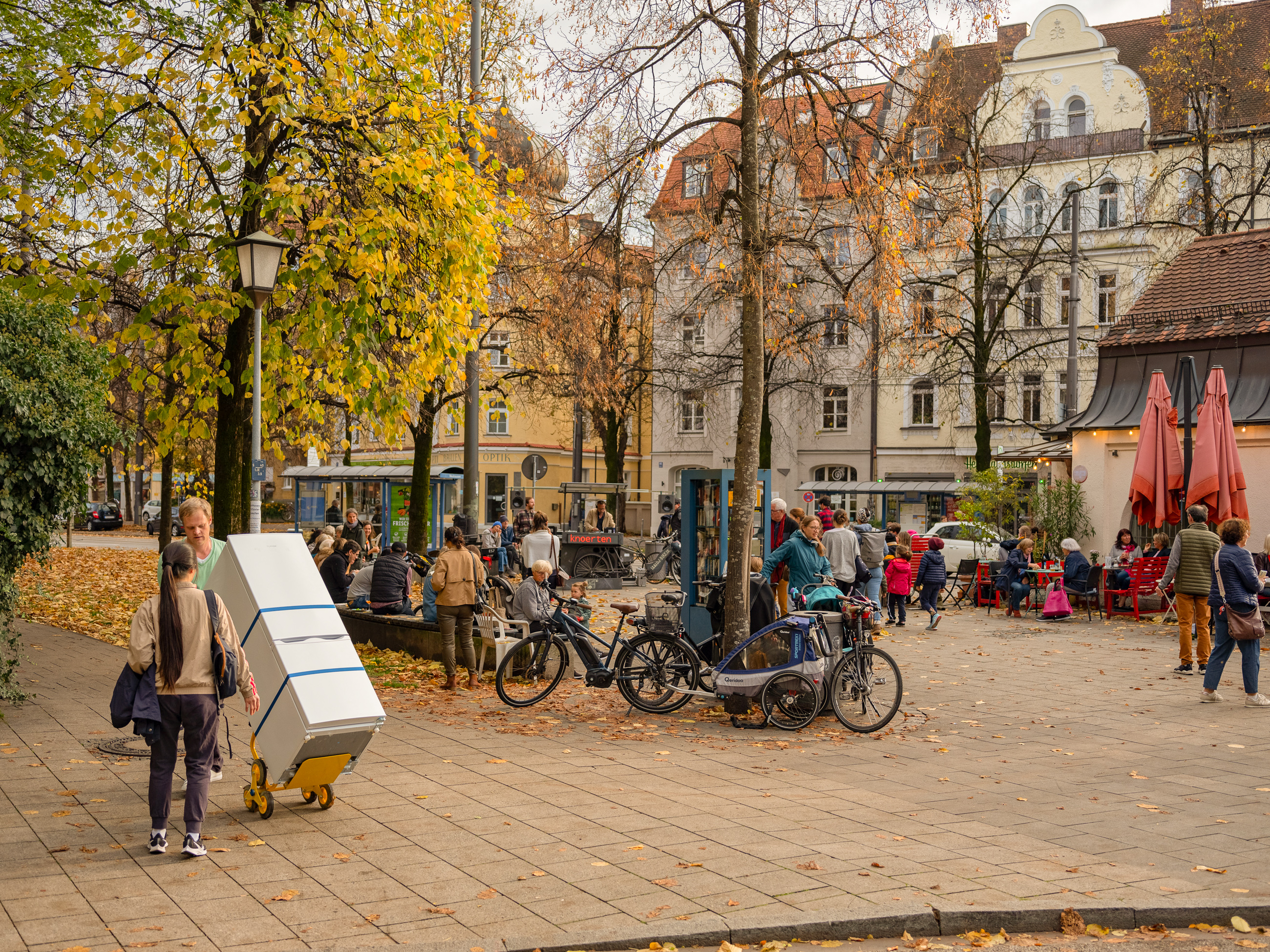
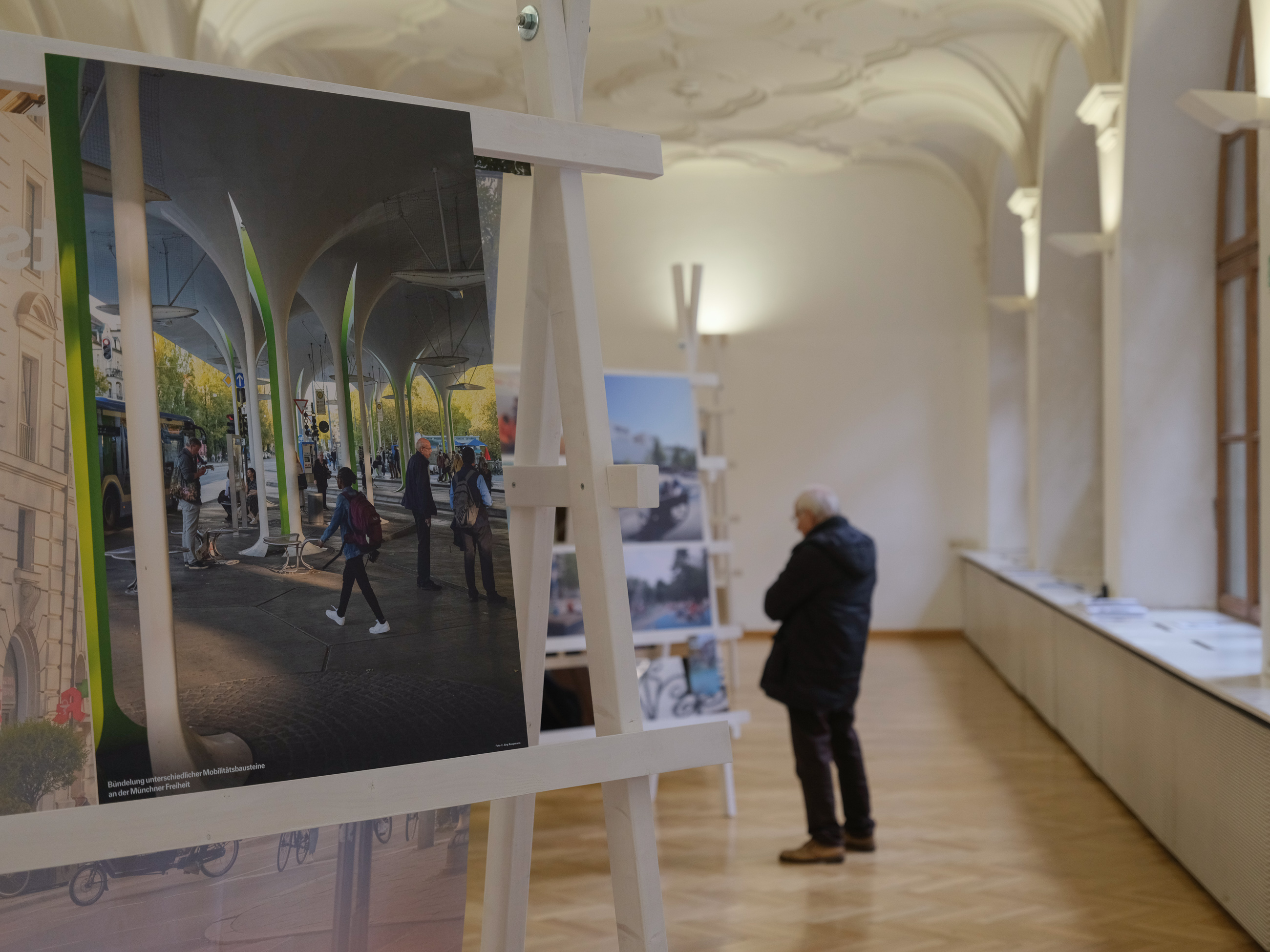
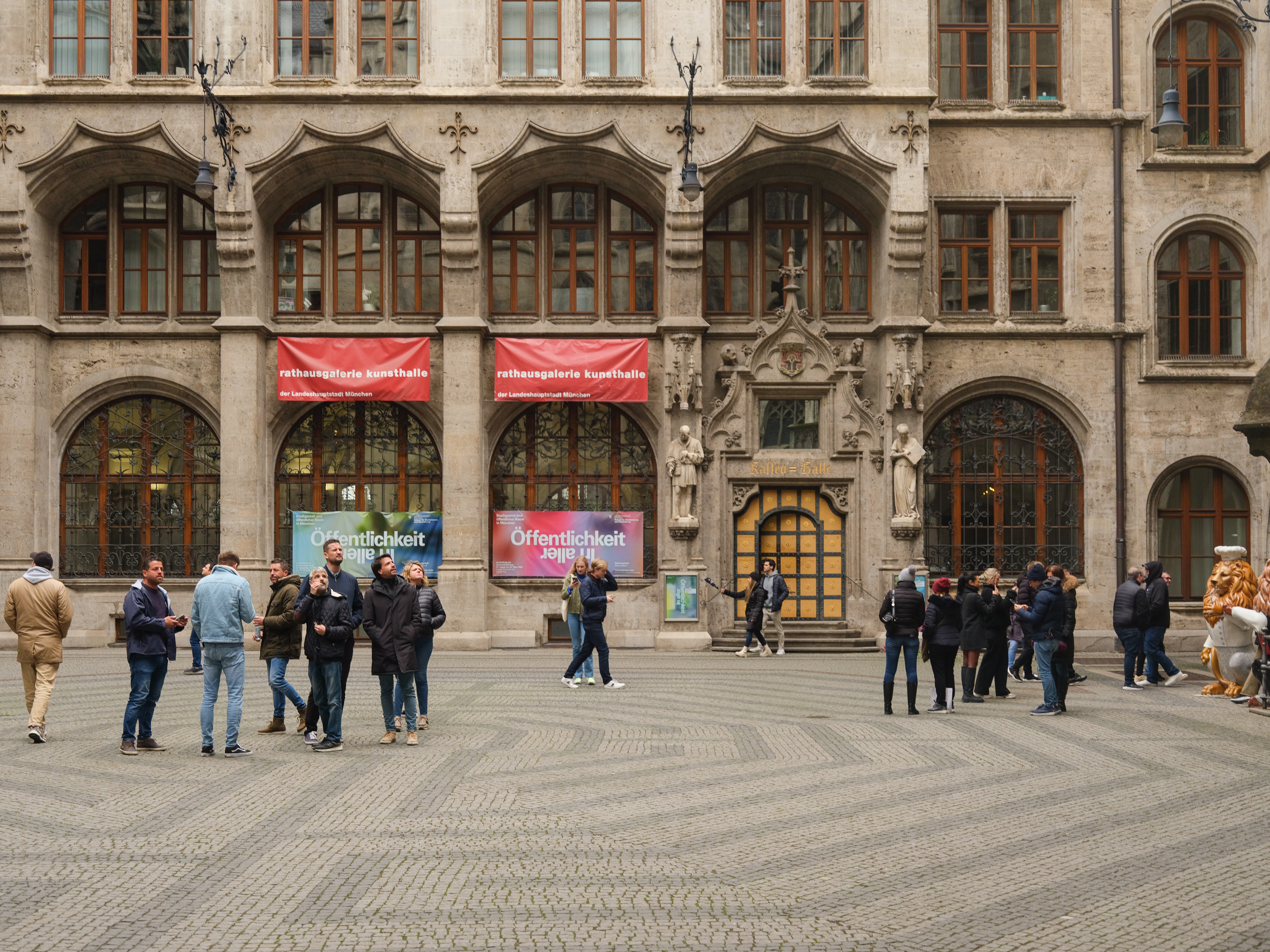
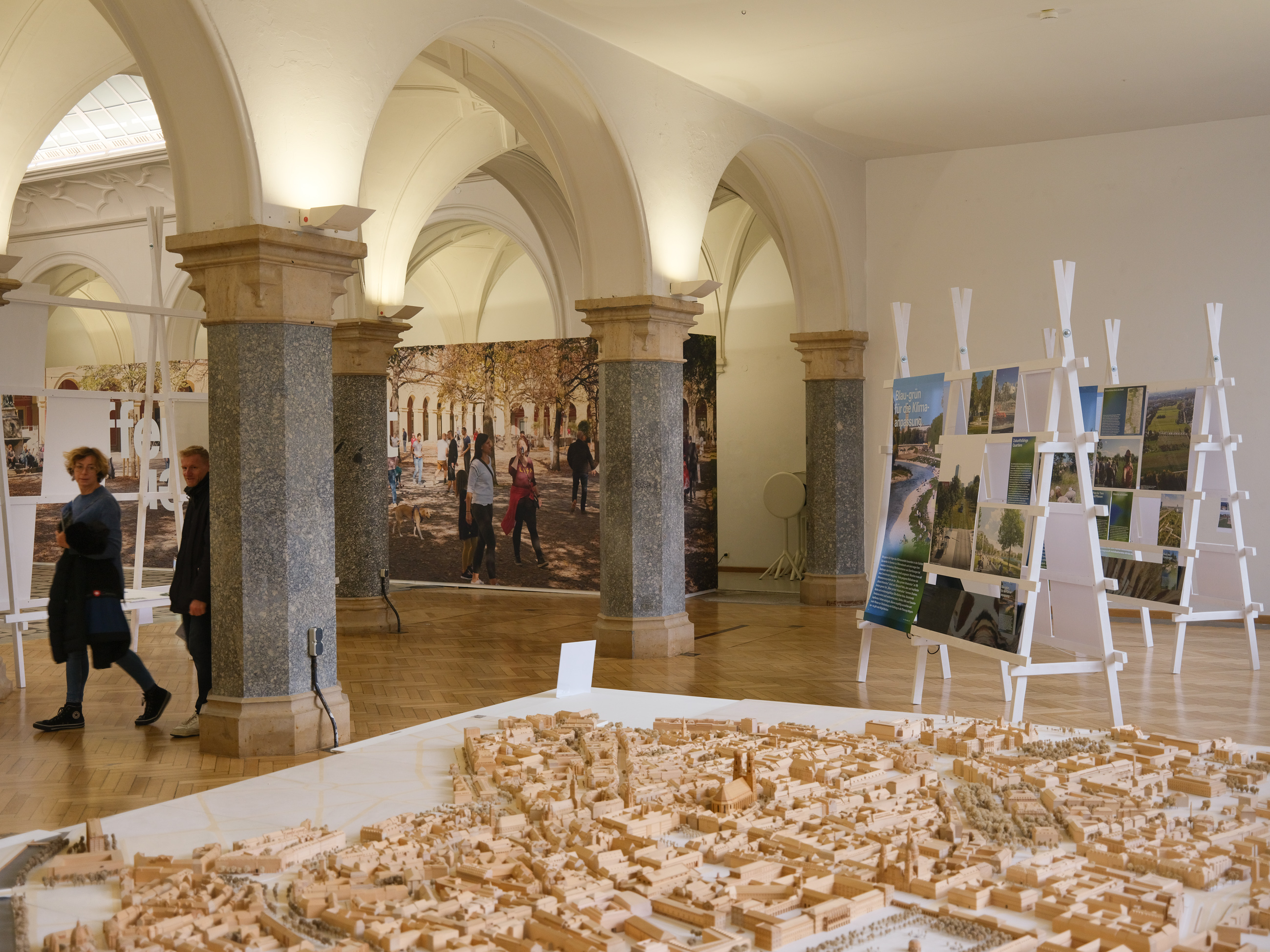
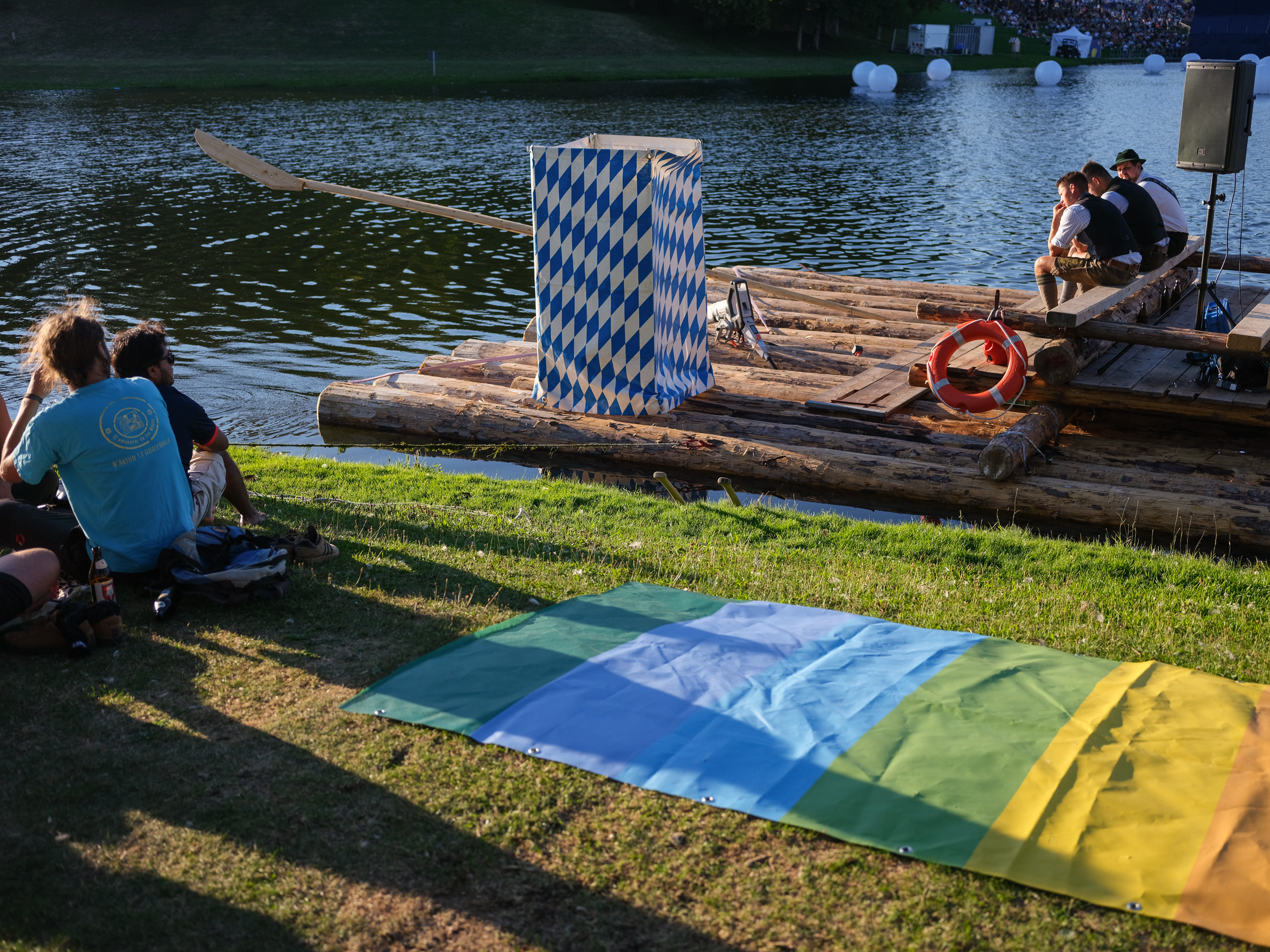
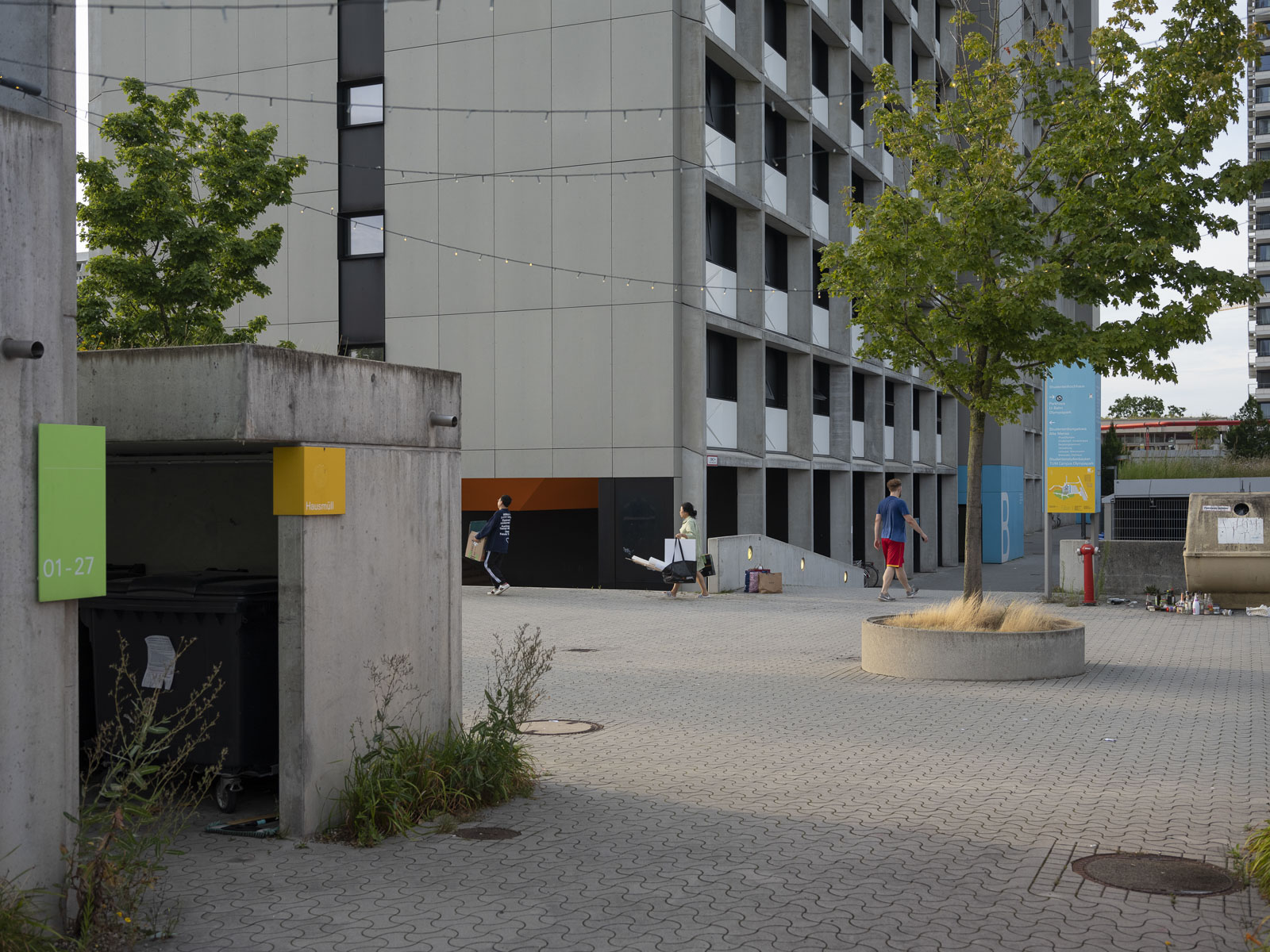
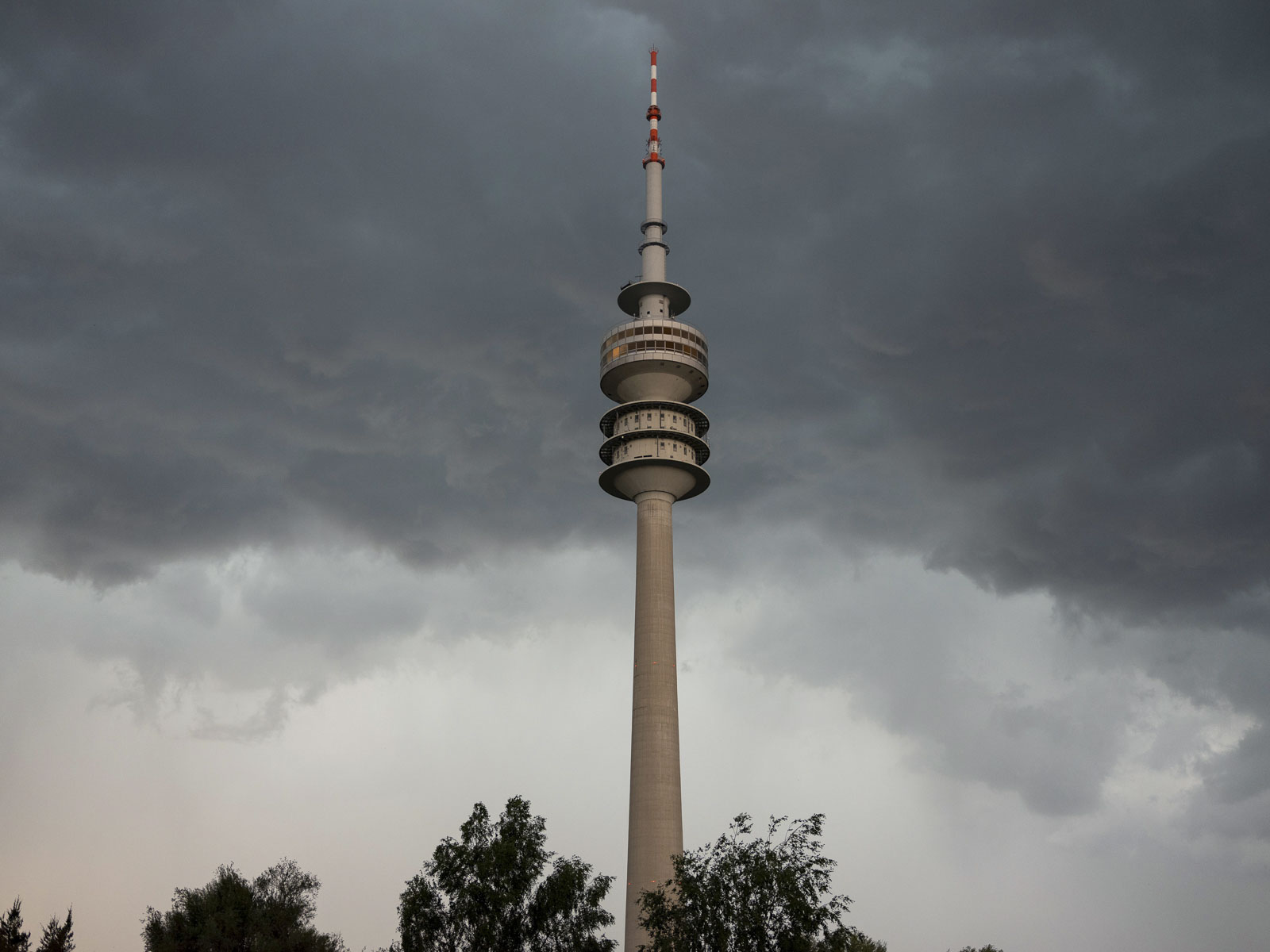
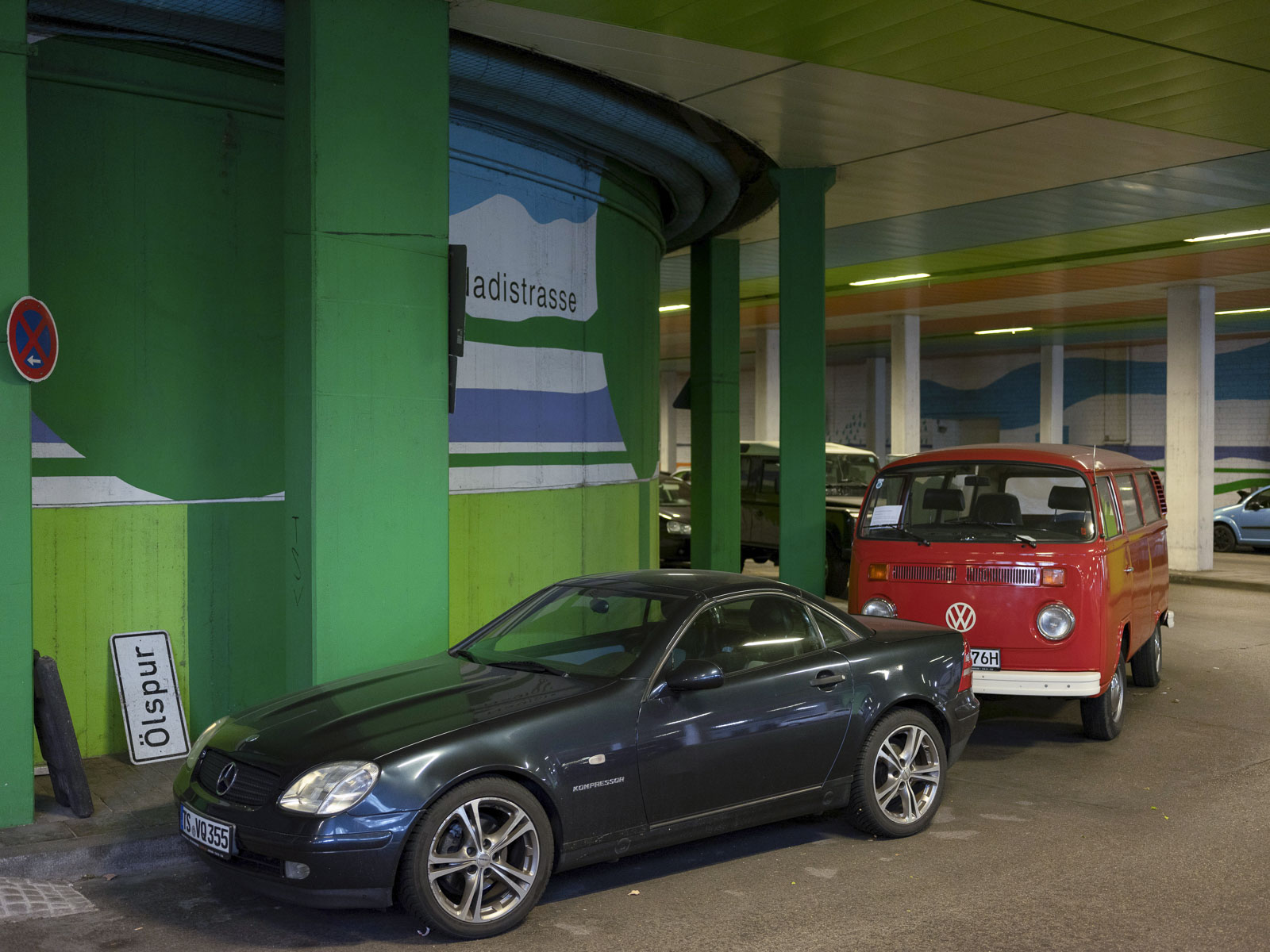
Sent out to document the usage of public spaces within Munich city. Produced for the annual exhibition in the Rathausgalerie Munich, comissioned by the Plantreff, the department for urban planning and building regulations.
The show included 27 of my motives, including a 17 meter long panorama print.
Exhibition design by Sebastian Klawitter and Laura Bruns.
The show included 27 of my motives, including a 17 meter long panorama print.
Exhibition design by Sebastian Klawitter and Laura Bruns.